Uniwersyteckie Czasopisma Naukowe
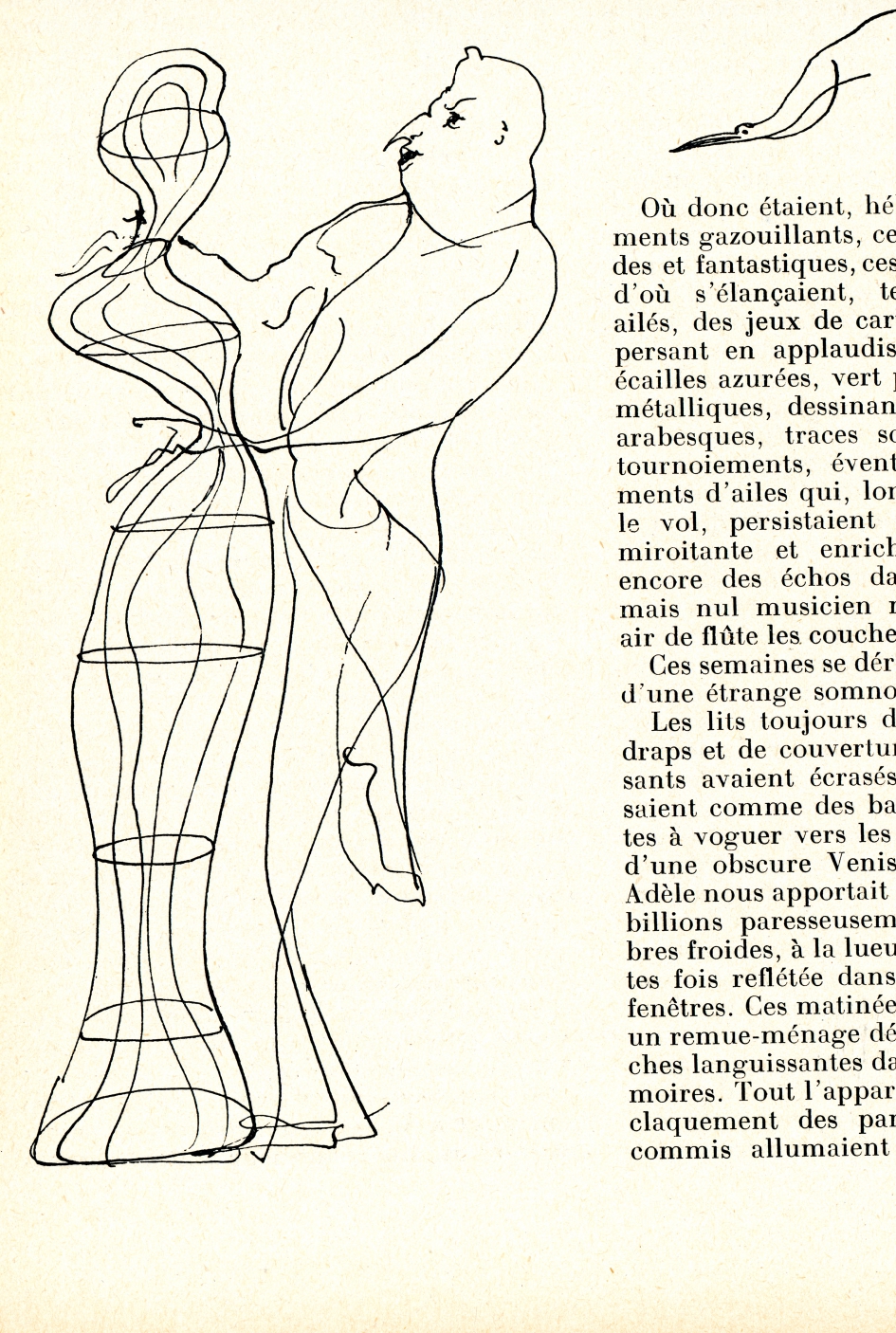
Ilustratorka ambasadorką? Rysunki Leonor Fini do Traktatu o manekinach Brunona Schulza („Preuves”, 1960)
DOI:
https://doi.org/10.26881/sf.2024.23-24.01Abstrakt
The first step in the reception of Schulz’s work in France was a translation of La morte saison (“Martwy sezon”) in July 1959 for the magazine Les Lettres nouvelles, edited by Maurice Nadeau. It was swiftly followed by the publication of Traité des mannequins (“Traktat o Manekinach”), translated by Georges Sidre [Desir] and illustrated by Leonor Fini, in the magazine Preuves in May 1960. This second publication combines the entirety of the French reception of Schulz within a dual framework: a Surrealist one (thanks to the illustrator’s afiliation with the Parisian Surrealist milieu, if not the movement itself); and an anti-Communist one, as revealed by the Preuves, the first magazine launched by the Congress for Cultural Freedom. This case study also illustrates the role of cultural mediators in promoting the work of renowned Polish authors, such as Czesław Miłosz and Witold Gombrowicz. One such individual was the critic and translator Konstanty Aleksander Jelenski, who lived in Paris with Leonor Fini and the Italian painter Stanislao Lepri for more than thirty years. Jelenski was also in contact with François Bondy, the founder of the Preuves, and he might have played a significant part in introducing Fini to Schulz’s work. Born in Buenos Aires and raised in Trieste, Fini had connections to the Parisian avant-garde in both literature and the visual arts. However, although she was at the crossroads of cultures and arts, Fini did not help Schulz find an audience in France through her promotional illustrations, which are rarely mentioned or reproduced in the French literature about Schulz and might have been instrumental only in the Italian reception of the author/artist.
Downloads