Uniwersyteckie Czasopisma Naukowe
Nr 4 (2018): Etnografia. Praktyki, Teorie, Doświadczenia
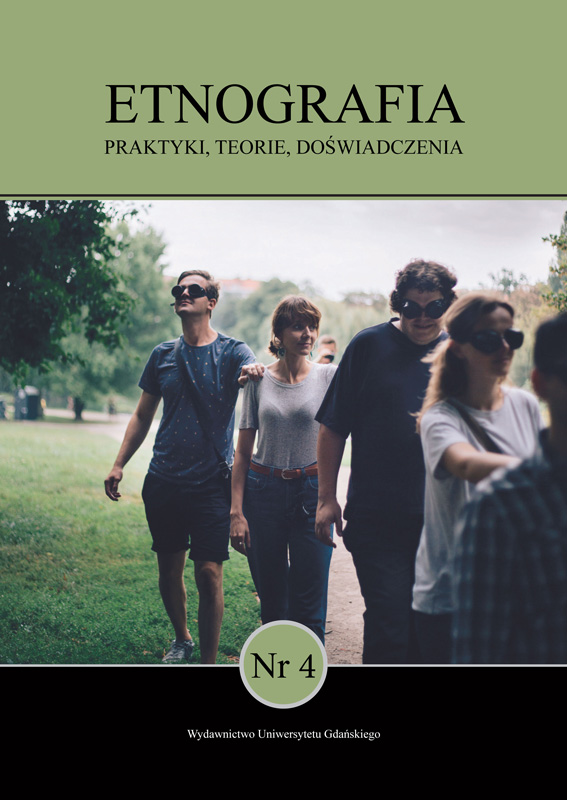
Tematem przewodnim numeru jest uzmysłowione bycie w świecie. Celem redaktorów i autorów jest ukazanie organicznych związków między różnymi sposobami poznawania i doznawania rzeczywistości – wrażeń zmysłowych, emocji, refleksji i wspomnień, a tym samym sproblematyzowanie granicy między tym, co indywidualne i społeczne, biologiczne i kulturowe. Zaproponowana kategoria uzmysłowienia otwiera pole do antropologicznej refleksji nad zanurzeniem człowieka w świecie, a jednocześnie stanowi punkt wyjścia dla analizy szerszych zjawisk społecznych i kulturowych. Prezentowane teksty ukazują zarówno możliwości, jak i ograniczenia antropologicznych eksploracji zmysłowych doświadczeń.
W numerze pojawiają się takie tematy jak: historia antropologii zmysłów i sensorycznej etnografii, zmysł haptyczny w kontekście kultury i biologii, rozumienie wzroku i wizualności przez osoby niewidome od urodzenia, tożsamościowe i społeczne praktyki osób głuchych. Oprócz tego autorzy poruszają terenowych – cielesnych i sensualnych – doświadczeń etnografów, a także sensorycznej pamięci świadków II wojny światowej na terenie dawnej Galicji Wschodniej.
Numer zawiera tłumaczenie jednego z rozdziałów książki Nadii Seremetakis, The Senses Still: Perception and Memory as Material Culture in Modernity (1994), należącej do kanonu prac z zakresu antropologii zmysłów.
Słowa kluczowe: anthropology of the senses, sensory ethnography, embodiment, Concordia Sensoria Research Team, mind, consciousness, awareness, haptic sense, magic, Tim Ingold, ethnography, posthumanism, blindness,visual culture, senses, disability, collaborative ethnography, Deaf, deafness, epistemology, discourse, practice,Sense of sight, visual disturbances, visual snow syndrome, disease / illness / sickness, biography, Greece, memory,material culture, globalization, dirt, distinction, aesthetics, judgement of taste, countryside, landscape, fieldwork,trauma, victims, bystander, Massacres of Poles, Holocaust, Eastern Galicia, urban anthropology, urban space,Gdańsk, “locals”, kibera, activism, research, ethics, metodology
Opublikowane:
2018-11-20