
 Academic Scientific Journals
ISSN: 2300-5823
MEiN scores: 20
Open Access Policy

The journal is licensed under a Creative Commons Attribution-ShareAlike 4.0 International License.

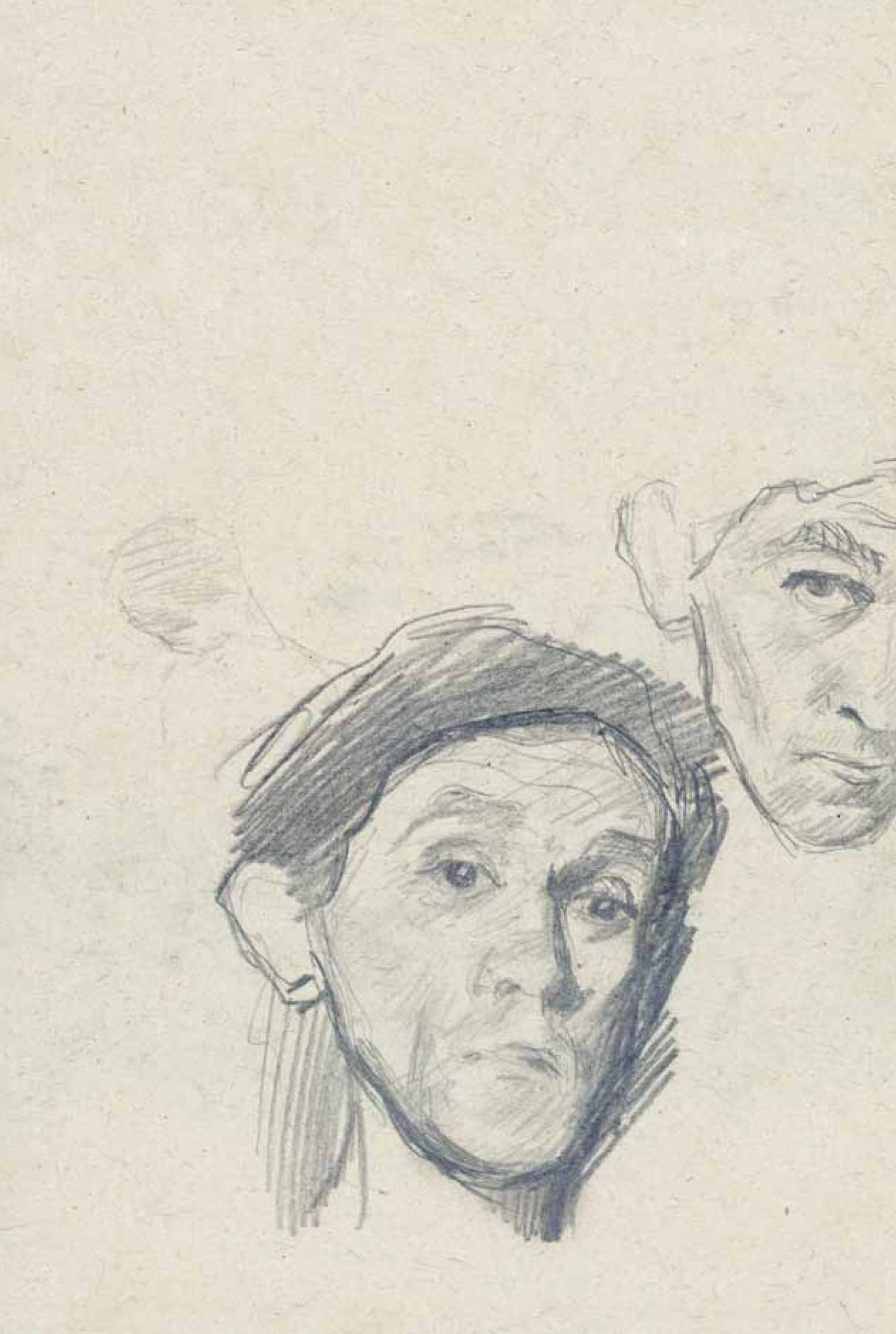
When in 1947 Pierre Klossowski called the Marquis de Sade his „neighbor,” in fact he did it on behalf of an entire generation of French intellectuals, writers, and artists, for whom the „divine Marquis” became emblematic both as a source of philosophical inspiration, and as an existential figure. Soon the author of 120 Days of Sodom would be taken into consideration by Bataille, Blanchot, Camus, and de Beauvoir, and then by Barthes, Ricoeur, Lacan, Deleuze, and Kristeva, to mention only the French. Now, after several decades, it is clear that the twentieth-century humanities made his writings one of their permanent points of reference, either negative, or positive.
Just like de Sade, Schulz has many devotees – commentators who also are his “neighbors.” Schulz, like the „divine Marquis” in the 20th century, has become for us, overwhelmed by the less and less intelligible and more and more grotesque reality of the 21st century, also a point of reference and an emblem of a certain intellectual and aesthetic identity. With his new materialism, non-anthropocentrism, and the ethic of care, Schulz seems now a harbinger of a new paradigm of Polish culture, which is emerging under our eyes. Perhaps soon enough someone will claim on behalf of a whole generation of post-humanists: Schulz, our neighbor. Will it be true? For now, we are in abeyance, relying only on ourselves. In a trembling voice, with a premonition of something intimate and dark in ourselves, each of us repeats in his or her own name: Schulz, my neighbor.
ISSN: 2300-5823
MEiN scores: 20
Open Access Policy
The journal is licensed under a Creative Commons Attribution-ShareAlike 4.0 International License.


